
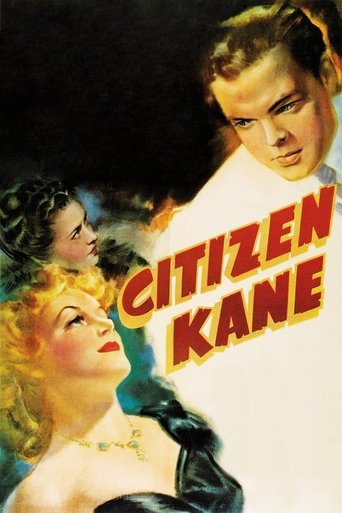
 1941Citizen Kane★ 8.0
FlixTor
165 films from eight decades of the twentieth century, each with its cast, its director and a Watch now button.
 1925
1925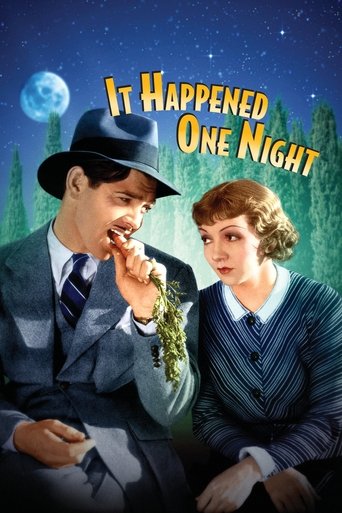 1934
1934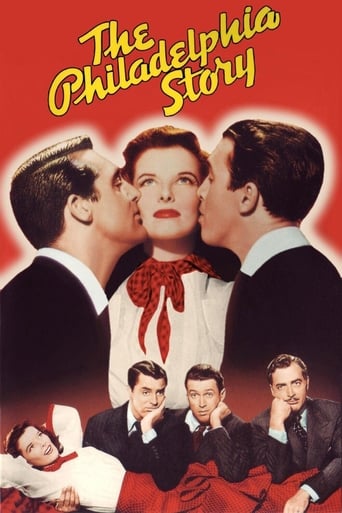 1940
1940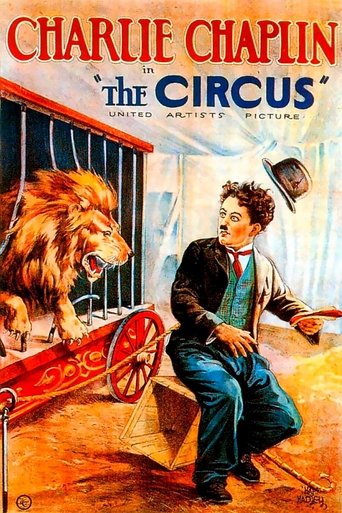 1928
1928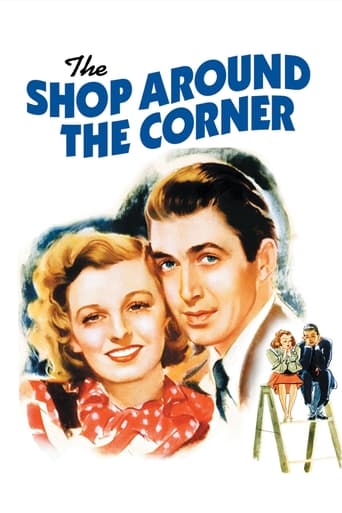 1940
1940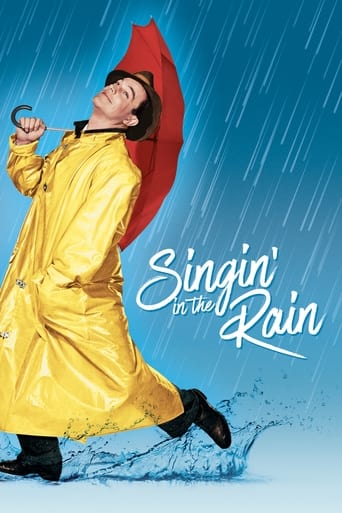 1952
1952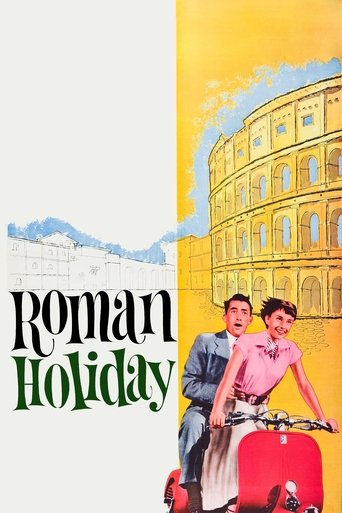 1953
1953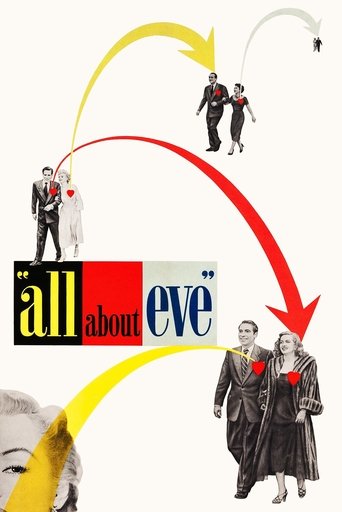 1950
1950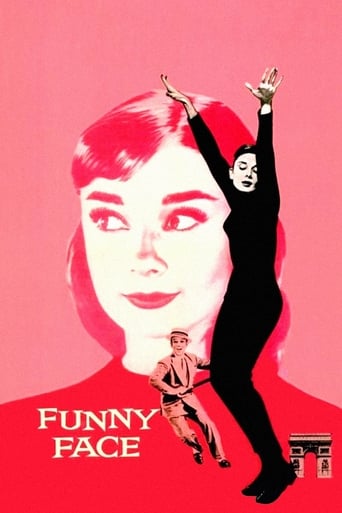 1957
1957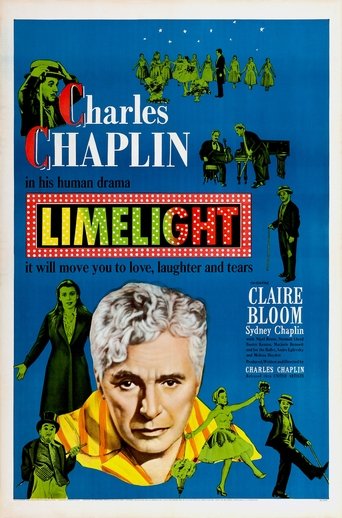 1952
1952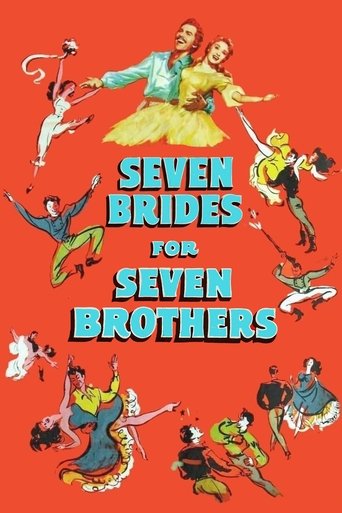 1954
1954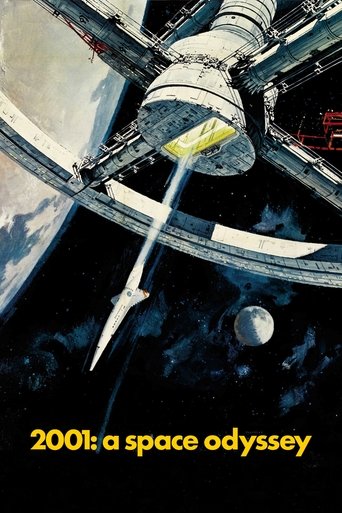 1968
1968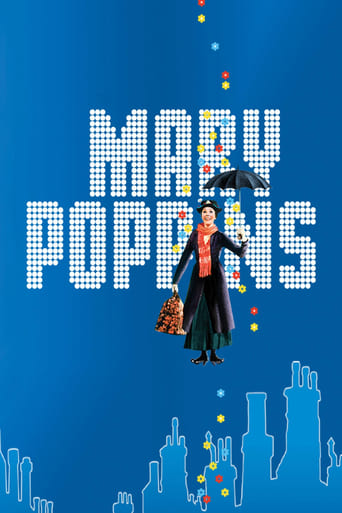 1964
1964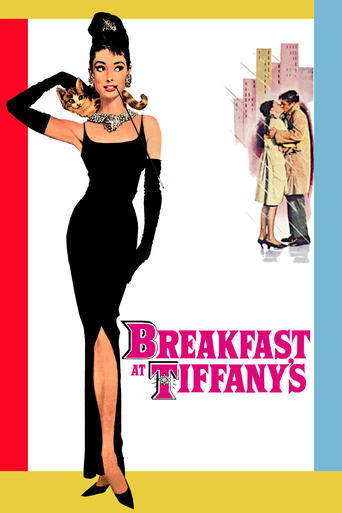 1961
1961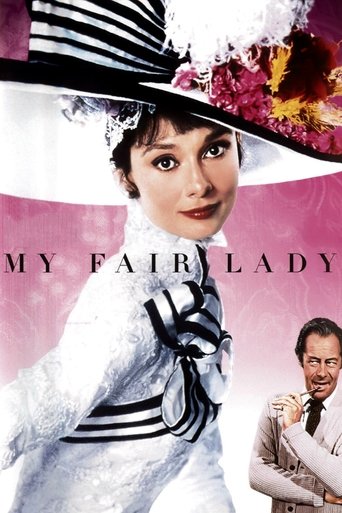 1964
1964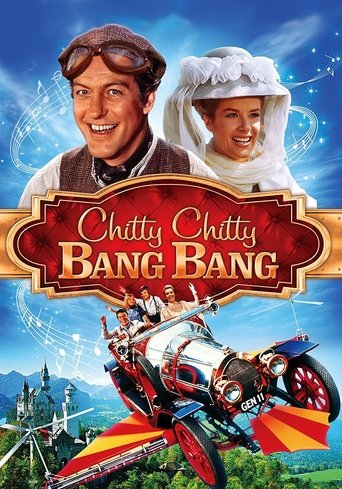 1968
1968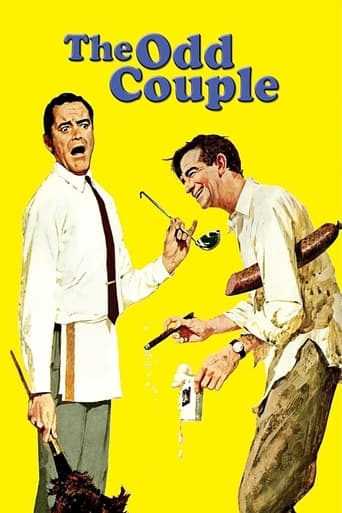 1968
1968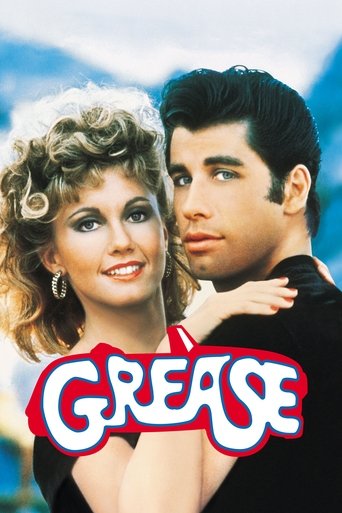 1978
1978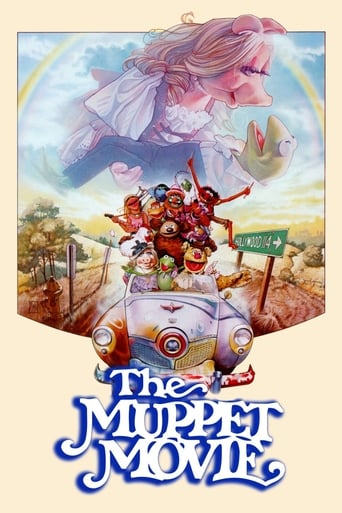 1979
1979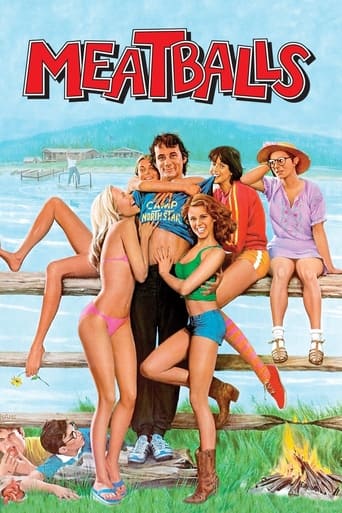 1979
1979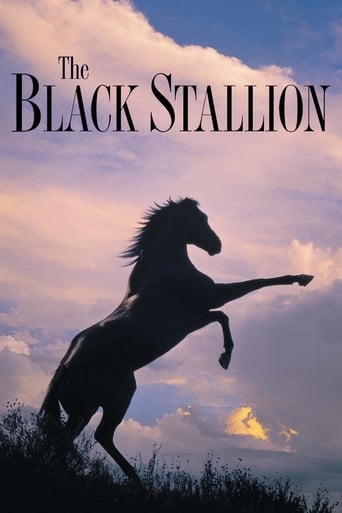 1979
1979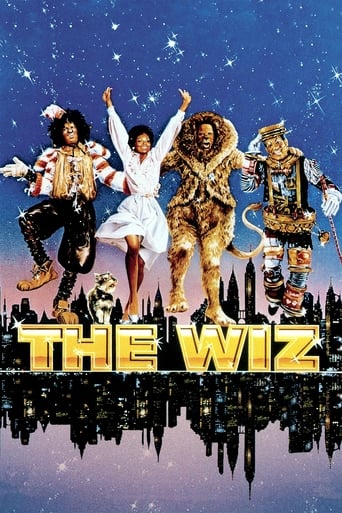 1978
1978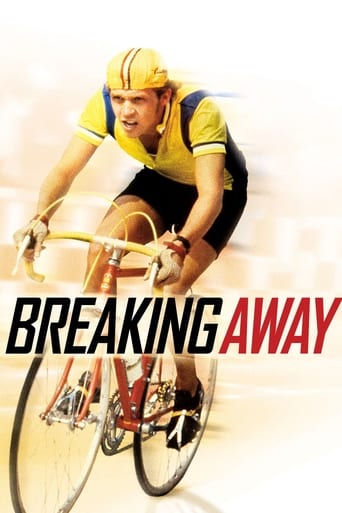 1979
1979 1989Back to the Future Part II★ 7.8
 1985The Breakfast Club★ 7.7
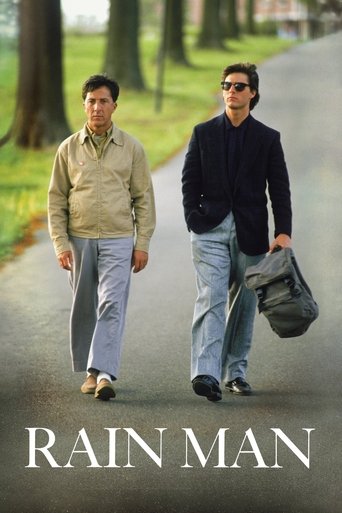 1988Rain Man★ 7.7
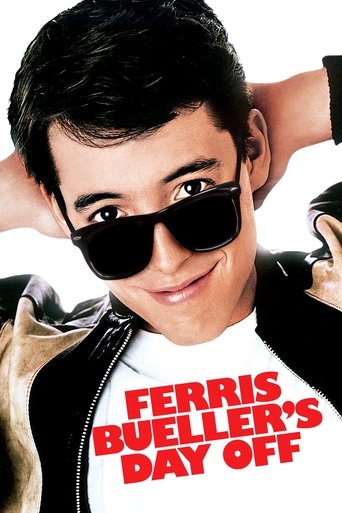 1986Ferris Bueller's Day Off★ 7.6
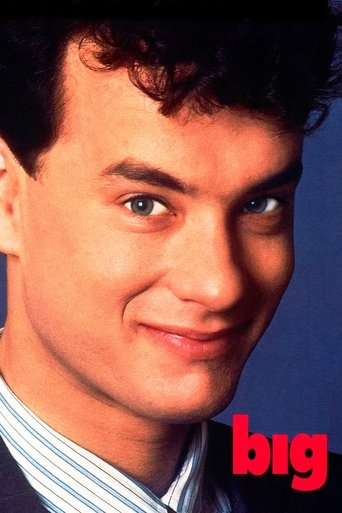 1988Big★ 7.2
 1989National Lampoon's Christmas Vacation★ 7.2
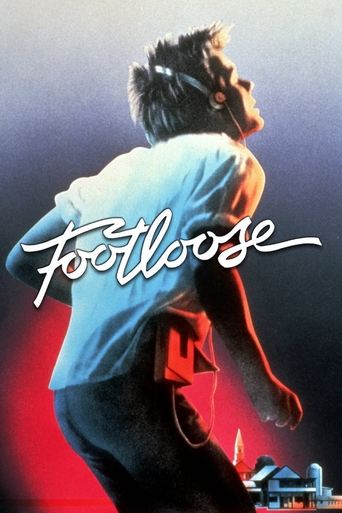 1984Footloose★ 6.7
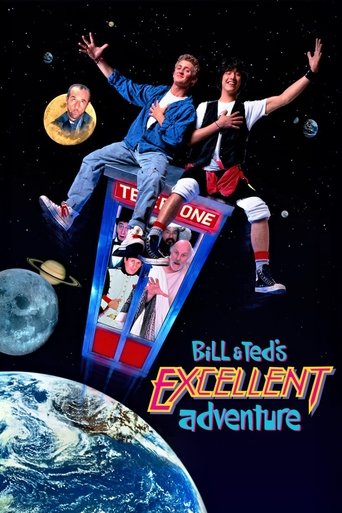 1989Bill & Ted's Excellent Adventure★ 6.8
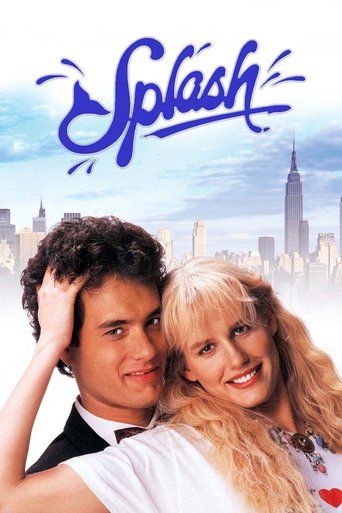 1984Splash★ 6.3
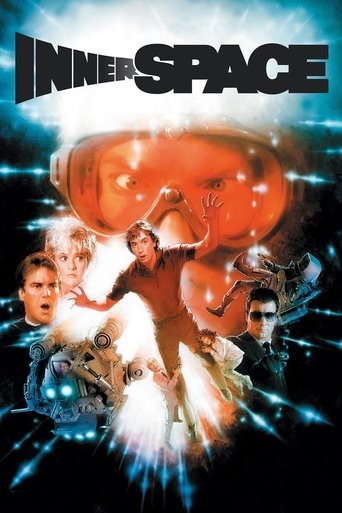 1987Innerspace★ 6.8
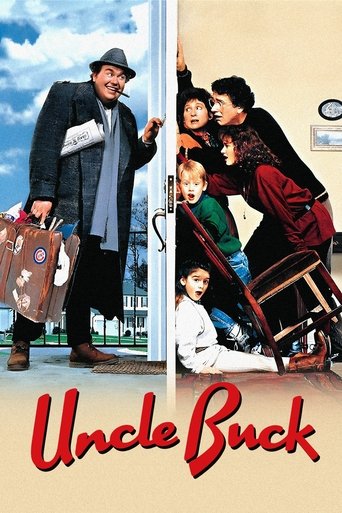 1989Uncle Buck★ 6.8
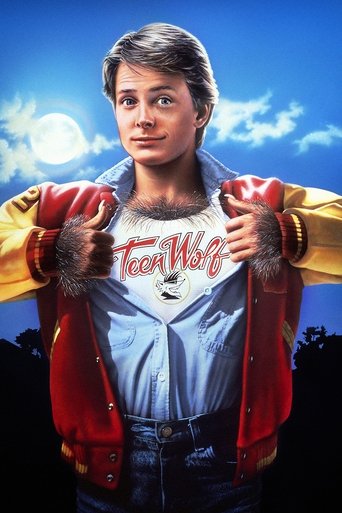 1985Teen Wolf★ 6.2
 1993
1993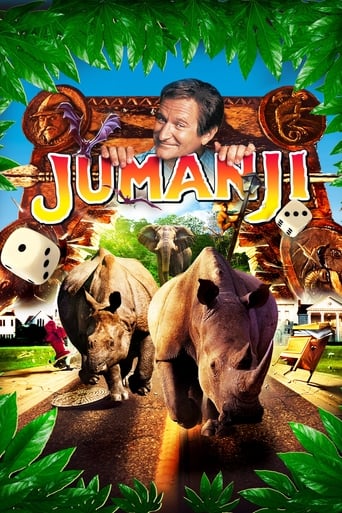 1995
1995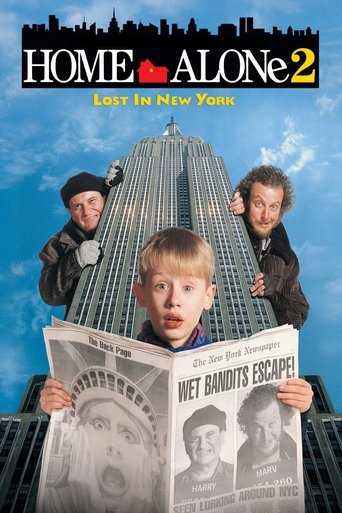 1992
1992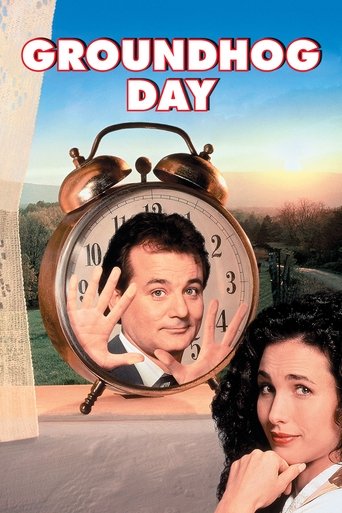 1993
1993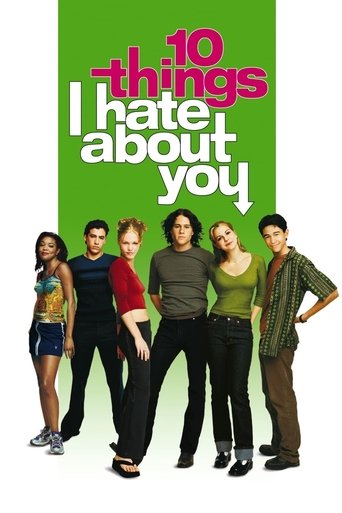 1999
1999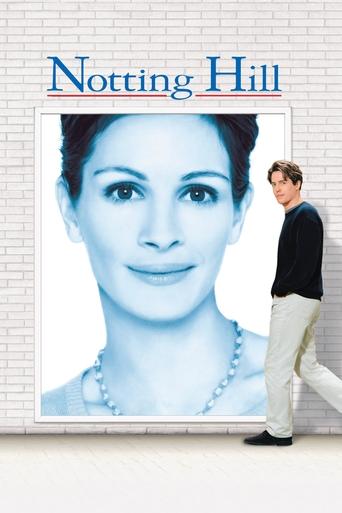 1999
1999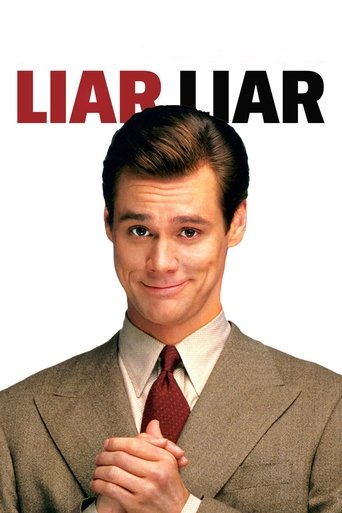 1997
1997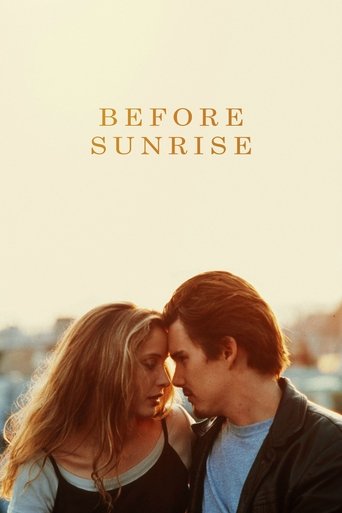 1995
1995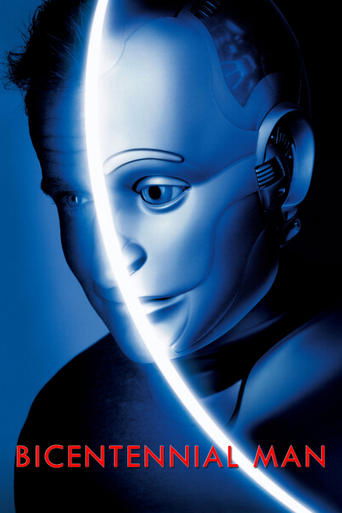 1999
1999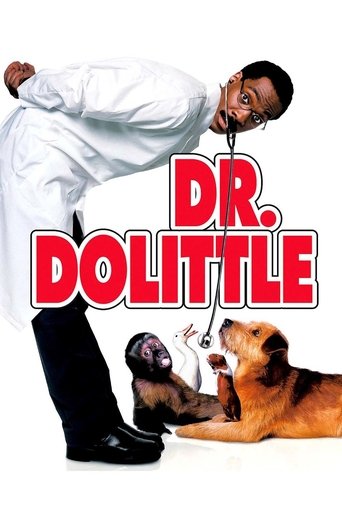 1998
1998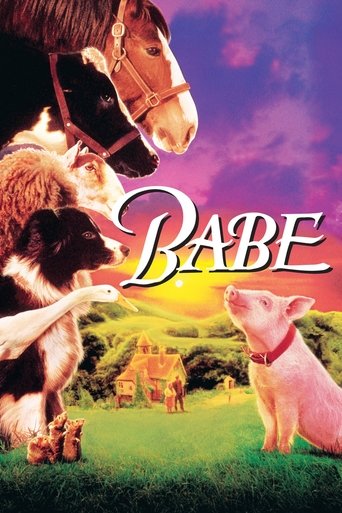 1995
1995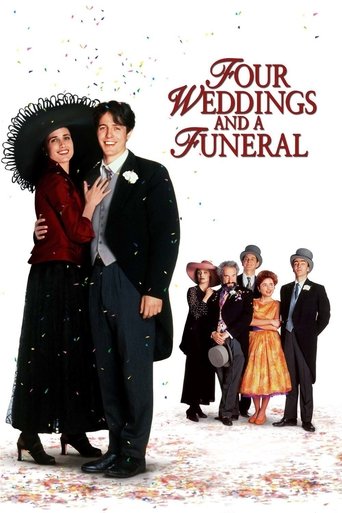 1994
1994Shelves
The FlixTor guide to classic movies
FlixTor: classic movies from 1925 to 1999, from The Gold Rush, Singin' in the Rain and Roman Holiday to Mary Poppins, Grease and Jurassic Park
Every film on FlixTor was made in the twentieth century. The oldest, a Chaplin comedy set in the Klondike, reached cinemas in 1925; the youngest arrived in 1999, as the century closed. Between those two dates lie 165 films, the work of 128 directors, with a combined running time of 292 hours. FlixTor sets them out as a timeline. The home page has one card for each decade, and each card carries a row of posters with the year of release in a teal badge. Every film has a page of its own with its cast, its director, a short summary, its rating and a button that leads to the official services where it can be watched.
The timeline thickens as it approaches the present. Thirteen films come from the years 1925 to 1949, eleven from the 1950s, ten from the 1960s and six from the 1970s. The 1980s contribute thirty-eight and the 1990s eighty-seven. Across the whole span, 122 films are comedies, seventy-two are dramas, sixty-four are romances, fifty-eight suit family viewing and fifty-seven involve adventure, fantasy or science fiction. Twenty are musicals or films about music, twenty-two give a leading part to an animal, nineteen are set around a school, eleven turn on a sport and nine belong to Christmas. Forty-eight hold an audience rating of 7.2 or higher.
The Watch now button opens JustWatch for the country you choose and shows the subscription, rental, purchase and free services that carry the film there. FlixTor itself is a guide: it describes, dates and points the way. The how to watch page explains the steps in a few lines.
Why a timeline
Most film sites sort by genre first. FlixTor sorts by time, because an old film is easier to enjoy when you know where it stands. A comedy from 1936 moves at a different speed from a comedy of 1996: the talk is faster, the cutting slower, the stars carry themselves differently. Seeing the decade on the card tells you what kind of evening to expect before you press anything. It also invites comparison. You can watch The Shop Around the Corner from 1940 and then find its descendants half a century later in the romantic comedies of the 1990s, or follow the film musical from Meet Me in St. Louis through My Fair Lady to Grease.
The timeline also shows how cinema changed its mind about its audience. The early cards are full of films made for everybody at once: adults and children sat in the same picture house and watched the same programme. By the 1980s a new category had appeared, the film made for teenagers, and by the 1990s the family film had become an industry of its own, with talking pigs, enormous dogs and children left in charge of the house. Reading the cards from top to bottom is a short history of who went to the pictures and why.
Each decade card shows its most watched films first and ends in a See all button with the size of the shelf. Under the timeline sit ten themed shelves, and the black bar at the top holds a search field that accepts a title, an actor, a director or a year. The finding titles page lists every route.
The early years, 1925 to 1949
The first card on the timeline holds thirteen films, and two of them are silent. The Gold Rush sends Charlie Chaplin's tramp to the frozen north as a lone prospector. It contains two of the most famous scenes in all of comedy: the boiled boot served as a dinner, laces twirled like spaghetti, and the dance of the bread rolls performed with two forks. Chaplin said it was the film he wished to be remembered by. The Circus, three years later, has the tramp chased into a big top, where he becomes the star turn precisely because he is trying to escape. Its tightrope scene, with monkeys, remains a marvel of timing.
Sound arrived, and with it came talk. The 1930s on FlixTor belong to screwball comedy, a style built on speed, wit and the battle of equals. It Happened One Night put a runaway heiress and a newspaperman on a night bus and became the first film to win all five major Academy Awards. My Man Godfrey has a scatterbrained socialite hire a man from the city dump as the family butler, and he proves to be the sanest person in the house. In The Awful Truth Cary Grant and Irene Dunne play a divorcing couple who spend ninety minutes sabotaging each other's new romances, with a fox terrier as the object of a custody dispute.
The decade closes with two films from 1939, often called the greatest single year of the Hollywood studios. Ninotchka gave Greta Garbo her first full comedy, as a stern Soviet envoy who is undone by Paris, a silly hat and a man who makes her laugh; the posters simply announced that Garbo laughs. Wuthering Heights took Emily Brontë's novel of the Yorkshire moors and gave it to Laurence Olivier and Merle Oberon, under the direction of William Wyler.
The 1940s begin with two comedies that have grown more loved with every decade. The Philadelphia Story gathers Katharine Hepburn, Cary Grant and James Stewart on the eve of a society wedding. The Shop Around the Corner, directed by Ernst Lubitsch, is set in a Budapest gift shop where two clerks who quarrel all day are, unknown to each other, devoted pen friends by night. It is among the highest-rated films on the whole site.
Then comes Citizen Kane. Orson Welles was twenty-five when he directed, co-wrote and starred in this portrait of a newspaper magnate, told through the memories of those who knew him. Its deep-focus photography, overlapping dialogue and jigsaw structure changed what directors thought a film could do, and it has topped critics' polls for much of the time since. The same year, John Ford's How Green Was My Valley looked back on a Welsh mining village through the eyes of its youngest son and took the Academy Award for best picture.
Meet Me in St. Louis follows one family through the four seasons before the World's Fair of 1904, with Judy Garland singing The Trolley Song and Have Yourself a Merry Little Christmas. And The Red Shoes, made in Britain by Michael Powell and Emeric Pressburger, tells of a young ballerina torn between love and dance; its seventeen-minute ballet sequence in blazing Technicolor has inspired film-makers ever since. The golden age page gathers these films with those of the two decades that followed.
The 1950s
Eleven films represent the 1950s, a decade in which Hollywood answered the arrival of television with colour, width and spectacle, and still found room for sharp black-and-white drama. All About Eve is the sharpest of all. Bette Davis plays Margo Channing, a Broadway star who takes an adoring young fan into her household and slowly realises what the fan is really after. The screenplay by Joseph L. Mankiewicz is quoted to this day, and the film received fourteen Academy Award nominations, a record it held alone for decades.
Singin' in the Rain is the best-loved musical ever made, and its subject is the very moment described on the previous card: the coming of sound. Gene Kelly plays a silent star whose studio must suddenly make talking pictures, Donald O'Connor runs up the walls in Make 'Em Laugh, and Debbie Reynolds, nineteen years old, keeps pace with both. The title number, danced through puddles under a lamppost, takes about four minutes and has been lifting spirits for seventy years.
The same year produced three more films on the card. Limelight is Chaplin's farewell to the music hall of his youth, with the tramp replaced by an ageing clown who nurses a young dancer back to the stage; Buster Keaton joins him for one priceless routine. The Bad and the Beautiful turns the camera on Hollywood itself, with Kirk Douglas as a brilliant and ruthless producer remembered by three people he used. And in Monkey Business Cary Grant plays a chemist whose youth formula, mixed by a laboratory chimpanzee, turns him and Ginger Rogers into teenagers again.
Roman Holiday introduced Audrey Hepburn to the world. She plays a princess who slips away from her embassy for one day of freedom in Rome; Gregory Peck is the reporter who recognises her and keeps quiet about it. The haircut, the ice cream on the Spanish Steps and the scooter ride through the traffic have become part of the city's own mythology, and Hepburn won the Academy Award at her first attempt. Four years later she danced with Fred Astaire through Paris in Funny Face, as a bookshop assistant turned fashion model.
Seven Brides for Seven Brothers sets a frontier tale in the Oregon mountains and stages its barn-raising dance with acrobats and ballet dancers swinging on planks and axes. Marty, made for a fraction of the cost, stays in the Bronx with a shy butcher, played by Ernest Borgnine, who meets a schoolteacher at a Saturday dance; it won both the top prize at Cannes and the Academy Award for best picture. The decade ends with two family adventures. Old Yeller is Disney's story of a Texas farm boy and a stray yellow dog, and Journey to the Center of the Earth sends James Mason down an Icelandic volcano in the footsteps of Jules Verne. The whole card is on the 1950s shelf.
The 1960s
Ten films carry the 1960s, and Audrey Hepburn opens the decade as she closed the last. In Breakfast at Tiffany's she is Holly Golightly, standing before a jeweller's window at dawn with a paper bag and a pastry, in a black dress that became the most famous costume in cinema. Henry Mancini's Moon River, sung on a fire escape, won the Academy Award for best song. Three years later she was Eliza Doolittle in My Fair Lady, the flower seller taught to speak like a duchess, in a production that collected eight Academy Awards, best picture among them.
The same year belonged equally to Mary Poppins. Julie Andrews, in her first film, floats down over Edwardian London with an umbrella and a carpet bag and sets the Banks household to rights with a spoonful of sugar. The mixture of live actors and animation, the chimney sweeps dancing across the rooftops and the Sherman brothers' songs made it Walt Disney's proudest achievement. Chitty Chitty Bang Bang, with Dick Van Dyke again and a flying car, followed in the same spirit, from a story by Ian Fleming and a screenplay co-written by Roald Dahl.
The Miracle Worker tells how Annie Sullivan taught the young Helen Keller, blind and deaf from infancy, to connect a word with the thing it names. Anne Bancroft and Patty Duke both won Academy Awards, and the scene at the water pump is among the most moving in American film. To Sir, with Love put Sidney Poitier in front of a rowdy class in the East End of London, where he wins respect by treating his pupils as adults; the title song, sung by Lulu, topped the American charts.
Two comedies by Neil Simon show New York at its most quotable. Barefoot in the Park has Robert Redford and Jane Fonda as newlyweds in a fifth-floor flat with a hole in the skylight. The Odd Couple pairs Jack Lemmon and Walter Matthau as divorced friends sharing an apartment, one obsessively tidy, the other happily chaotic. The decade ends with Hello, Dolly!, directed by Gene Kelly, with Barbra Streisand as the matchmaker who arranges everyone's life including her own.
And then there is 2001: A Space Odyssey. Stanley Kubrick's film begins at the dawn of humankind and ends beyond Jupiter, with a waltzing space station and a softly spoken computer named HAL in between. Its effects were achieved years before computer imagery existed and still look flawless. It stands alone on the timeline: a film of few words, vast patience and complete confidence. The 1960s shelf holds all ten.
The 1970s
The 1970s card is the shortest on the timeline, with six films, and every one of them is a pleasure. The decade's serious cinema was famously dark, and FlixTor keeps to its lighter side: songs, summer, puppets and horses. Grease is the giant among them. John Travolta and Olivia Newton-John play Danny and Sandy, whose holiday romance has to survive the first term at Rydell High in 1958. The songs, from Summer Nights to You're the One That I Want, sold in their millions, and the film became the most successful movie musical of its time. Audiences still sing along in cinemas.
The Wiz, released the same year, retells The Wizard of Oz in a fantastical New York, with Diana Ross as Dorothy, Michael Jackson as the Scarecrow and a score supervised by Quincy Jones. The Muppet Movie gave Jim Henson's troupe their first feature: Kermit leaves his swamp with a banjo, sings Rainbow Connection and collects Fozzie, Gonzo and Miss Piggy on the road to Hollywood. The sight of a frog riding a bicycle astonished audiences in 1979 and delights them now.
The Black Stallion is among the most beautiful films ever made for children. A boy and an Arabian horse survive a shipwreck and learn to trust each other on a deserted beach; for almost half an hour the story is told in images and music alone. Mickey Rooney, a child star four decades earlier, plays the old trainer who prepares the pair for a race. Breaking Away follows four friends just out of school in a university town in Indiana, one of whom is so devoted to cycling that he pretends to be Italian; its screenplay won the Academy Award. Meatballs gave Bill Murray his first leading part, as the head counsellor of a cheerfully shambolic summer camp. The 1970s page lists the six in a suggested order.
The 1980s
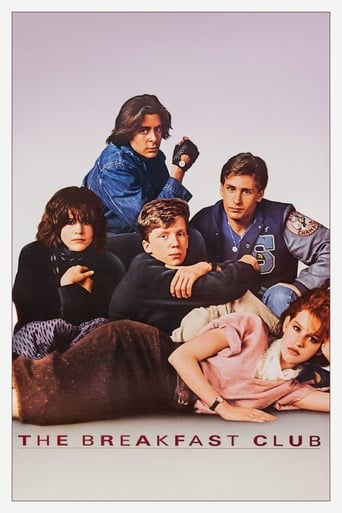
With thirty-eight films, the 1980s card is where the timeline begins to widen, and its dominant voice belongs to John Hughes. Before Hughes, teenagers in films were mostly seen from the outside. He wrote them from the inside, with their own slang, music and sense of injustice. The Breakfast Club shuts five pupils in a school library for a Saturday detention, a brain, an athlete, a basket case, a princess and a criminal, and lets them discover how much they share. Ferris Bueller's Day Off is its sunny opposite: one boy, one borrowed Ferrari and one perfect day in Chicago, with a parade, an art museum and a speech to the camera about how fast life moves.
Hughes also wrote Pretty in Pink and Some Kind of Wonderful, two tales of love across the social divide of a high school, both directed by Howard Deutch, and he wrote and directed Uncle Buck, in which John Candy is the unreliable relative left in charge of three children. The Great Outdoors, from a Hughes script, sends Candy on a lakeside holiday invaded by Dan Aykroyd and a very large bear. And National Lampoon's Christmas Vacation, also from his pen, has become a December ritual in countless homes. The 1980s page sets out his films in order.
Around Hughes, the teen film flourished. Footloose brings a city boy to a small town where dancing is banned and has him change the town's mind. Say Anything... gave cinema the image of a young man holding a stereo above his head beneath a bedroom window. Teen Wolf turns Michael J. Fox into a basketball-playing werewolf, Bill & Ted's Excellent Adventure sends two amiable Californians through history in a telephone box to pass a school report, and Peggy Sue Got Married lets a woman faint at her reunion and wake up as her teenage self. Stand and Deliver tells the true story of Jaime Escalante, the teacher who led pupils in East Los Angeles to master advanced calculus.
The decade loved a clever premise. In Big, a boy makes a wish at a fairground machine and wakes up as Tom Hanks, who then dances on a giant piano keyboard in a toy shop. In Splash, Hanks falls for a mermaid played by Daryl Hannah. Innerspace shrinks a test pilot and injects him into a nervous supermarket clerk, Overboard gives Goldie Hawn amnesia and a carpenter's four sons, and Back to the Future Part II takes Marty McFly forward to a 2015 of hoverboards and self-lacing shoes. Time Bandits, from Terry Gilliam, sends a schoolboy tumbling through history with a band of treasure-hunting dwarfs.
The working world provided comedy too. Mr. Mom has Michael Keaton lose his job and take over the household, Working Girl follows a Staten Island secretary with a head for business, The Secret of My Success lets a mailroom clerk pose as an executive, and Back to School enrols a self-made millionaire at his son's university. Tucker: The Man and His Dream, directed by Francis Ford Coppola, celebrates the real inventor who built a car of the future in 1948.
The decade's dramas are generous ones. Rain Man, winner of four Academy Awards including best picture, sends a selfish car dealer across America with the autistic brother he has only just met; Dustin Hoffman and Tom Cruise have rarely been better. On Golden Pond brought Henry Fonda and Katharine Hepburn together for a summer by a lake, and both won Academy Awards. Steel Magnolias gathers six women in a Louisiana beauty parlour, among them Sally Field, Dolly Parton and a young Julia Roberts. Somewhere in Time has Christopher Reeve will himself back to 1912 for love, and Bill Forsyth's Local Hero sends a Texan oil man to buy a Scottish village and lets the village quietly win him over.
The rest of the card is pure fun: the cross-country car race of The Cannonball Run, Burt Reynolds at the wheel again in Smokey and the Bandit II, Clint Eastwood running a travelling Wild West show in Bronco Billy, three silent-film cowboys mistaken for real heroes in ¡Three Amigos!, a bicycle quest in Pee-wee's Big Adventure, a darker and stranger trip in Return to Oz, Ron Howard's wise family comedy Parenthood, a road trip to a video-game tournament in The Wizard and John Travolta dancing on Broadway in Staying Alive.
The 1990s
More than half the timeline belongs to its last card. The 1990s contribute eighty-seven films, and they fall into three broad families: the event film, the romantic comedy and the family comedy. The decade was the last in which a mid-priced comedy with two stars could fill cinemas for months, and the studios made them by the dozen. The 1990s page offers a route through them.
The event of the decade was Jurassic Park. Steven Spielberg's film about a theme park of cloned dinosaurs combined full-size animatronic creatures with the first truly convincing computer-generated animals, and the sight of a brachiosaurus rising to graze on a treetop changed cinema overnight. It became the most successful film the world had seen, and its score by John Williams is known everywhere. Jumanji, two years later, used the same new tools to send rhinos and monkeys stampeding out of a board game and through a New England town, with Robin Williams as the boy who vanished into the game and returned as a man.
The romantic comedy enjoyed a golden decade. Four Weddings and a Funeral made a star of Hugh Grant and showed that a modest British film could conquer the world. Five years later the same writer, Richard Curtis, gave Grant a bookshop in Notting Hill and sent the most famous actress alive, played by Julia Roberts, through its door. Roberts is also the friend who has four days to stop a ceremony in My Best Friend's Wedding and the woman who keeps leaving grooms at the altar in Runaway Bride. Sandra Bullock became a star in While You Were Sleeping, as a ticket clerk who is mistaken for the fiancée of a man in a coma and falls for his brother.
Before Sunrise is the quiet masterpiece among them. An American and a French student meet on a train, get off at Vienna and walk and talk until dawn; that is the whole story, and it is among the highest-rated films on FlixTor. 10 Things I Hate About You moves The Taming of the Shrew to a Seattle high school and gave Heath Ledger and Julia Stiles their breakthrough. The Wedding Singer sets Adam Sandler and Drew Barrymore in 1985, One Fine Day gives Michelle Pfeiffer and George Clooney a single frantic day in Manhattan, Green Card ties a Frenchman and a New Yorker in a marriage of convenience that turns real, and Strictly Ballroom began Baz Luhrmann's career on a Sydney dance floor.
The grown-up comedies of the decade have aged well. Groundhog Day sends a sour weatherman, played by Bill Murray, to a small town in Pennsylvania and makes him repeat the same February day until he gets it right; its title has entered the language. Dave puts an ordinary man with a presidential face in the White House, What About Bob? attaches a needy patient to his psychiatrist's family holiday, and City Slickers sends three friends from New York on a cattle drive to cure a midlife wobble. Father of the Bride gives Steve Martin a daughter to give away, L.A. Story gives him a talking motorway sign, and Doc Hollywood strands a young surgeon in a town that decides to keep him.
The decade's broad comedians each have a film here. Jim Carrey plays a lawyer who must tell the truth for a whole day in Liar Liar. Chris Farley and David Spade cross the Midwest selling brake pads in Tommy Boy. Rowan Atkinson escorts a priceless painting to California in Bean. Eddie Murphy hears what the animals are saying in Doctor Dolittle, Michael Keaton copies himself three times in Multiplicity, and Brendan Fraser thaws out as a caveman in Encino Man and swings into trees in George of the Jungle.
Families were served as generously as couples. Home Alone 2: Lost in New York sets Kevin loose in a grand hotel with his father's credit card. The Santa Clause turns Tim Allen into Father Christmas by contract. Beethoven and its sequel fill a suburban house with a St Bernard and then his puppies, Babe gives a piglet the ambition of a sheepdog, and MouseHunt sets two brothers against one very clever mouse. Flubber, Honey, I Blew Up the Kid and Jingle All the Way continue the tradition of the inventor, the oversized toddler and the desperate father. Television favourites reached the big screen in The Flintstones, The Brady Bunch Movie, The Beverly Hillbillies and Lost in Space.
The dramas of the card are warm ones. Mr. Holland's Opus follows a music teacher across thirty years of pupils. Searching for Bobby Fischer tells the true story of a seven-year-old chess prodigy and the father who must learn how to support him. Selena, with Jennifer Lopez, celebrates the Tejano singer and her family. Phenomenon gives John Travolta a sudden gift of genius, Forever Young wakes a test pilot after fifty frozen years, and Bicentennial Man follows a household robot, played by Robin Williams, through two centuries of becoming human. The Horse Whisperer, directed by and starring Robert Redford, heals a girl and her horse under the skies of Montana.
Britain and Ireland add three small treasures. The Commitments forms a soul band among the young of north Dublin and lets them play gloriously for as long as they can stand one another. Brassed Off follows a Yorkshire colliery band to the national finals at the Royal Albert Hall. And Mansfield Park brings Jane Austen's quietest heroine to the screen. The complete card is on the 1990s shelf.
Musicals and music
Twenty films sing, dance or follow a band, and together they trace the whole life of the film musical. The form reached its height at Metro-Goldwyn-Mayer in the 1940s and 1950s, where a unit led by the producer Arthur Freed made Meet Me in St. Louis, Singin' in the Rain and, from the same studio, Seven Brides for Seven Brothers. These films were built around their performers: Judy Garland's voice, Gene Kelly's athletic grace, the acrobatic brothers on the barn roof. Paramount answered with Funny Face, where Fred Astaire dances with an umbrella and a raincoat in a Paris courtyard, and Britain with The Red Shoes, where ballet takes the place of song.
In the 1960s the musical grew larger and more faithful to the stage. My Fair Lady, Mary Poppins and Hello, Dolly! ran for close to two and a half hours each, with intermissions, overtures and sets the size of city blocks. Then the style changed. Grease and The Wiz took their sound from pop and soul, and by the 1980s the songs had moved onto the soundtrack: in Footloose and Staying Alive the characters dance to records and stage shows, and the album sells alongside the film.
The 1990s films about music are stories of people who make it. The Commitments and Brassed Off are about bands, one soul, one brass. Selena is a biography with concert scenes that fill a stadium. Mr. Holland's Opus is about a composer who becomes a teacher, Strictly Ballroom about a dancer who breaks the rules of his federation, and The Wedding Singer about a man who performs other people's love songs for a living. Limelight and The Muppet Movie, decades apart, share a subject as well: performers who live to be on a stage. The musicals page suggests where to start, and the shelf holds all twenty.
A century of comedy
With 122 films, comedy is the backbone of FlixTor, and the timeline shows how its methods changed. Chaplin worked in mime: The Gold Rush and The Circus can be followed by a viewer of any language and any age, which is why they travelled the whole world. Screwball replaced gesture with speech. In It Happened One Night, My Man Godfrey and The Awful Truth, the jokes arrive at such a pace that a second viewing reveals lines missed the first time, and the women give as good as they get. Howard Hawks was still working in that style in 1952 with Monkey Business.
By the 1960s the wit had moved indoors. Neil Simon's The Odd Couple and Barefoot in the Park are comedies of character and apartment living, written for the stage and filmed with their theatrical timing intact. The 1970s and 1980s opened the door to a looser, more anarchic generation trained in television sketch shows: Bill Murray in Meatballs, Steve Martin, Chevy Chase and Martin Short in ¡Three Amigos!, Dan Aykroyd and John Candy in The Great Outdoors, Rodney Dangerfield in Back to School.
The 1990s perfected the star comedy, in which a single premise is handed to a single performer and the film stands back. Liar Liar exists to let Jim Carrey fight his own mouth; Bean to let Rowan Atkinson damage a masterpiece; Tommy Boy to let Chris Farley fall over things with total commitment. The best of them reach further. Groundhog Day begins as a vehicle for Bill Murray's sarcasm and ends as a fable about how to live, studied by philosophers and loved by everyone else. The comedy page picks a dozen across the century.
Some pairings on the timeline are worth watching back to back. Father of the Bride of 1991 is a remake of a Spencer Tracy film of 1950, and its anxious father would be at home in any decade. Overboard is a screwball comedy in 1980s clothes, with Goldie Hawn in the heiress part that Claudette Colbert might once have played. Green Card and Ninotchka both send a foreigner into a great city and let romance do the rest. Good ideas in comedy are handed down like family silver.
Romance through the decades
Sixty-four films are love stories. The early ones were made under a strict production code, and their makers turned restriction into style: feeling is carried by glances, by wit, by what is left unsaid. The pen friends of The Shop Around the Corner fall in love by letter. The princess of Roman Holiday and her reporter part with a handshake at a press conference, and it is one of the most affecting endings in cinema. Wuthering Heights carries its passion onto the moors and into the weather.
The romances of the 1980s and 1990s are freer and chattier, and they owe a great deal to those ancestors. While You Were Sleeping has the warmth of a 1930s family comedy. Notting Hill reverses Roman Holiday: again a famous woman and an ordinary man, again a press conference, with a different answer at the end. Somewhere in Time is an old-fashioned weepie made in 1980 with complete sincerity, and its following has grown every year. Splash, Say Anything..., Hope Floats and For Love of the Game each find a fresh setting for the oldest story there is.
Audrey Hepburn deserves a paragraph to herself, since four of her films stand on the timeline: Roman Holiday, Funny Face, Breakfast at Tiffany's and My Fair Lady. Seen in order, they show a newcomer becoming an icon over eleven years. Cary Grant, her equal in elegance, appears in The Awful Truth, The Philadelphia Story and Monkey Business. The romance page arranges the love stories by era, and the romance shelf holds all sixty-four.
Family viewing
Fifty-eight films are suitable for the whole household, and the oldest of them are the Disney live-action classics. Old Yeller has taught generations of children about loyalty and loss. Mary Poppins remains the model of what a family film can be: funny for the young, quietly wise for their parents. The studio returned to its past in the 1990s with a new The Jungle Book played by actors and real animals, a remake of its own absent-minded professor in Flubber, and Homeward Bound: The Incredible Journey, in which two dogs and a cat cross the Sierra Nevada to find their family.
Children's literature supplies some of the finest films on the site. The Secret Garden, from the novel by Frances Hodgson Burnett, lets three lonely children bring a walled garden and one another back to life. The Borrowers shrinks a family to the height of a matchbox beneath the floorboards. Black Beauty is told, as in Anna Sewell's book, by the horse himself. Alice in Wonderland of 1999 fills Lewis Carroll's dream with famous faces, and Return to Oz goes back to L. Frank Baum's later books for a bolder and eerier adventure than the one most viewers know.
Then there are the films in which children run the show. The Little Rascals revives a gang of the 1930s with their clubhouse and go-kart. The Sandlot spends the summer of 1962 on a dusty baseball field with nine boys and one fearsome dog beyond the fence, and it has become a rite of passage for young viewers. Heavyweights hands a summer camp back to its campers, Now and Then remembers four girls and the summer of 1970, and My Girl 2 sends Vada to Los Angeles to learn about her mother. Little Man Tate, the first film Jodie Foster directed, treats a gifted seven-year-old with unusual tenderness. The family page sorts the shelf by age and mood.
Animal stories
Twenty-two films give a leading part to a creature. Horses come first in beauty: The Black Stallion galloping through the surf, Black Beauty in the fields of Victorian England, the injured Pilgrim of The Horse Whisperer. Dogs come first in number. Beethoven the St Bernard, the basketball-playing golden retriever of Air Bud, the faithful pair of Homeward Bound II: Lost in San Francisco and the heroic stray of Old Yeller cover every size and temperament.
Babe is the surprise of the shelf. A film about a talking piglet who wants to herd sheep was nominated for seven Academy Awards, best picture among them, and its closing line, spoken by a farmer of few words, moves adults more than they expect. Its sequel, Babe: Pig in the City, directed by George Miller, is stranger and more daring. Flipper swims with a dolphin off the Florida coast, Doctor Dolittle opens a surgery for every species at once, and Jurassic Park reminds us that some animals are best admired from a distance. The animal stories page has the full list.
Adventure, fantasy and science fiction
Fifty-seven films leave the everyday world behind. The oldest journey is Journey to the Center of the Earth, with its giant mushrooms, underground ocean and a duck named Gertrude. Chitty Chitty Bang Bang flies a restored racing car to a kingdom of toymakers. 2001: A Space Odyssey travels furthest of all. In the 1980s adventure met comedy: Time Bandits, Innerspace, Bill & Ted's Excellent Adventure and Back to the Future Part II all treat time and space as a playground.
Fantasy on FlixTor tends to arrive in ordinary homes. A wish comes true in Big. A board game comes alive in Jumanji. A man puts on a red suit in The Santa Clause, a boy stops ageing normally in Jack, a scientist's children shrink their own parents in Honey, We Shrunk Ourselves, and a robot butler asks to be recognised as a person in Bicentennial Man. The magic is a way of looking again at family life. The adventure page maps the shelf.
Drama, teachers and true stories
Seventy-two films are dramas, and a striking number are about teaching. Annie Sullivan in The Miracle Worker, Mark Thackeray in To Sir, with Love, Jaime Escalante in Stand and Deliver and Glenn Holland in Mr. Holland's Opus all discover that the pupil changes the teacher as much as the other way round. Two of the four are true stories. So are Selena, Searching for Bobby Fischer, Tucker: The Man and His Dream and Cool Runnings, the comedy about the Jamaican bobsleigh team that competed at the Winter Olympics of 1988.
Family is the other great subject. How Green Was My Valley and Meet Me in St. Louis look back on childhood homes with love. On Golden Pond and Rain Man are about relatives learning, late, how to talk to each other. Steel Magnolias, Hope Floats and Anywhere but Here follow mothers and daughters. The drama page groups them by theme.
Sport, school and Christmas
Three smaller shelves reward a visit. Sport has eleven films: baseball in The Sandlot, Rookie of the Year and For Love of the Game, ice hockey in D3: The Mighty Ducks, children's football in Little Giants, golf in Tin Cup, cycling in Breaking Away and chess, the quietest sport of all, in Searching for Bobby Fischer. The School days shelf gathers nineteen films of classrooms, proms and detention, from Grease and The Breakfast Club to 10 Things I Hate About You.
Christmas has nine films spread across sixty years. The Shop Around the Corner ends on Christmas Eve, and Meet Me in St. Louis gave the season one of its best songs. Miracle on 34th Street of 1994 retells the story of a department-store Santa who may be the real one, with Richard Attenborough in the red coat. While You Were Sleeping and I'll Be Home for Christmas are romances of the holiday, and National Lampoon's Christmas Vacation is the family gathering at its loudest. The Christmas page puts them in order for December.
Directors and stars
One hundred and twenty-eight directors made these films, and a handful return often enough to be followed as a thread. Charlie Chaplin has three films across twenty-seven years: The Gold Rush, The Circus and Limelight. Stanley Donen co-directed Singin' in the Rain and directed Seven Brides for Seven Brothers and Funny Face, which makes him the timeline's master of the musical. William Wyler made Wuthering Heights and Roman Holiday, George Cukor The Philadelphia Story and My Fair Lady, Ernst Lubitsch Ninotchka and The Shop Around the Corner, and Vincente Minnelli Meet Me in St. Louis and The Bad and the Beautiful.
In the later decades the recurring names are those of popular craftsmen. Francis Ford Coppola, best known for far darker work, appears with three gentle films: Peggy Sue Got Married, Tucker: The Man and His Dream and Jack. Ron Howard directed Splash and Parenthood; Penny Marshall, Big; her brother Garry Marshall, Overboard and Runaway Bride. Jon Turteltaub made Cool Runnings, While You Were Sleeping and Phenomenon within four years. Chris Columbus directed Home Alone 2: Lost in New York and Bicentennial Man, and Ivan Reitman moved from Meatballs to Dave.
The actors make threads of their own. Robin Williams appears in Jumanji, Jack, Flubber and Bicentennial Man. Steve Martin is in ¡Three Amigos!, Parenthood, L.A. Story and Father of the Bride. Julia Roberts grows from the young bride of Steel Magnolias to the film star of Notting Hill. Tom Hanks is caught at the very start of his run in Splash and Big, and Bill Murray's journey from Meatballs through What About Bob? to Groundhog Day is a career in three films. A search for any of these names in the black bar brings up the films at once.
Typing a director's name works the same way, and it is a pleasant way to plan a week. Three evenings with Chaplin show the tramp in his prime and the clown in his autumn. Two with Lubitsch show what people mean by the phrase the Lubitsch touch: a closed door, a raised eyebrow, a joke completed in the viewer's own mind. Two with Howard Deutch and John Hughes show the American high school of the 1980s as its pupils wished to be seen.
What the ratings say
Under each poster stands a star and a number. This is the average score given by viewers on TMDB, the community film database, on a scale from one to ten. Forty-eight films hold 7.2 or more and form the Top rated shelf. The golden age dominates its upper end: The Shop Around the Corner, All About Eve, Singin' in the Rain, Citizen Kane, The Red Shoes and The Gold Rush all stand at eight or just above, joined from later decades by 2001: A Space Odyssey, Jurassic Park and Before Sunrise.
A word of advice on reading the lower numbers. Old masterpieces are rated by people who sought them out, so their scores run high. The comedies of the 1990s were seen by everybody, including those they were made for and those they were made in spite of, and their averages are more modest. A family comedy at 6.2 may be exactly the film a household of mixed ages needs on a Friday. Use the number as one voice among several, alongside the summary, the cast and the decade.
Using FlixTor
The site is built to be read from the top. The black bar holds the name, six links and the search field. Under it, the opening card gives six teal buttons, one for each period, and each button jumps down the page to its decade. A decade card has a large heading on the left, a line describing the period and a button with the number of films; on the right stand the posters. On a telephone the heading moves above the posters and the cards stack in the same order.
A film page begins with the poster, the title, the year, the running time and the rating. Below come the director, the leading cast, the genres and the summary. The country selector and the Watch now button sit together: choose where you live, press the button, and JustWatch opens with the services that offer the film in that country, whether by subscription, rental, purchase or free with advertising. Older films move between services more often than new ones, so the answer is always fetched fresh.
The Add to My List button keeps a film for later. My Lists, reached from the black bar, shows everything you have saved, each with a Remove button. The shortlist lives in your own browser on your own device, and the list page can save a copy as a file for safekeeping. The My Lists page describes each step.
A fortnight on the timeline
For a reader new to older films, here is a route of fourteen evenings that walks the timeline from one end to the other. Begin with The Gold Rush: it is short, it is funny, and it proves within ten minutes that a silent film can hold a modern audience. Follow it with It Happened One Night and The Shop Around the Corner, and give Citizen Kane an evening when you are wide awake.
The second stretch is colour and song: Singin' in the Rain, Roman Holiday for a change of pace, then Mary Poppins with the whole family and Breakfast at Tiffany's once the children are in bed. Grease carries you through the 1970s in a single joyful leap.
The last five evenings belong to the two big cards. Take The Breakfast Club and Big from the 1980s, then Groundhog Day, Jurassic Park and Notting Hill from the 1990s. By the end you will have crossed seventy-four years of cinema, met Chaplin, Hepburn, Kelly, Hanks and Murray, and gained a clear idea of which decade you want to explore in depth. The decade cards will be waiting.
Questions and answers
The questions below are those most often asked about FlixTor, with short answers. Fuller help is on the help pages named throughout this guide, including the how to watch page.
Questions
What is FlixTor?
FlixTor is a guide to 165 classic films made between 1925 and 1999, set out as a timeline by decade, each with its cast, its director and a Watch now button to official services.
Which is the oldest film?
The Gold Rush by Charlie Chaplin, released in 1925. Thirteen films in all date from 1925 to 1949.
Which decade has the most films?
The 1990s, with eighty-seven films, followed by the 1980s with thirty-eight.
Which films are rated highest?
Forty-eight films hold 7.2 or more, led by The Shop Around the Corner, All About Eve and Singin' in the Rain.
Are the films suitable for families?
Yes. The selection favours comedy, romance, musicals and family stories, and fifty-eight films sit on the Family shelf.
Can I search by actor or director?
Yes. The search field in the black bar accepts a title, an actor, a director or a year and shows results as you type.
How does My Lists work?
Press Add to My List on a film page. The shortlist lives in your browser, and the list page can save a copy as a file.
Does FlixTor host films?
FlixTor is a guide only. Every Watch now button opens JustWatch, which lists the official streaming, rental and purchase services for your country.
